The Complete Guide to ATS Resume Optimization in 2026
TL;DR
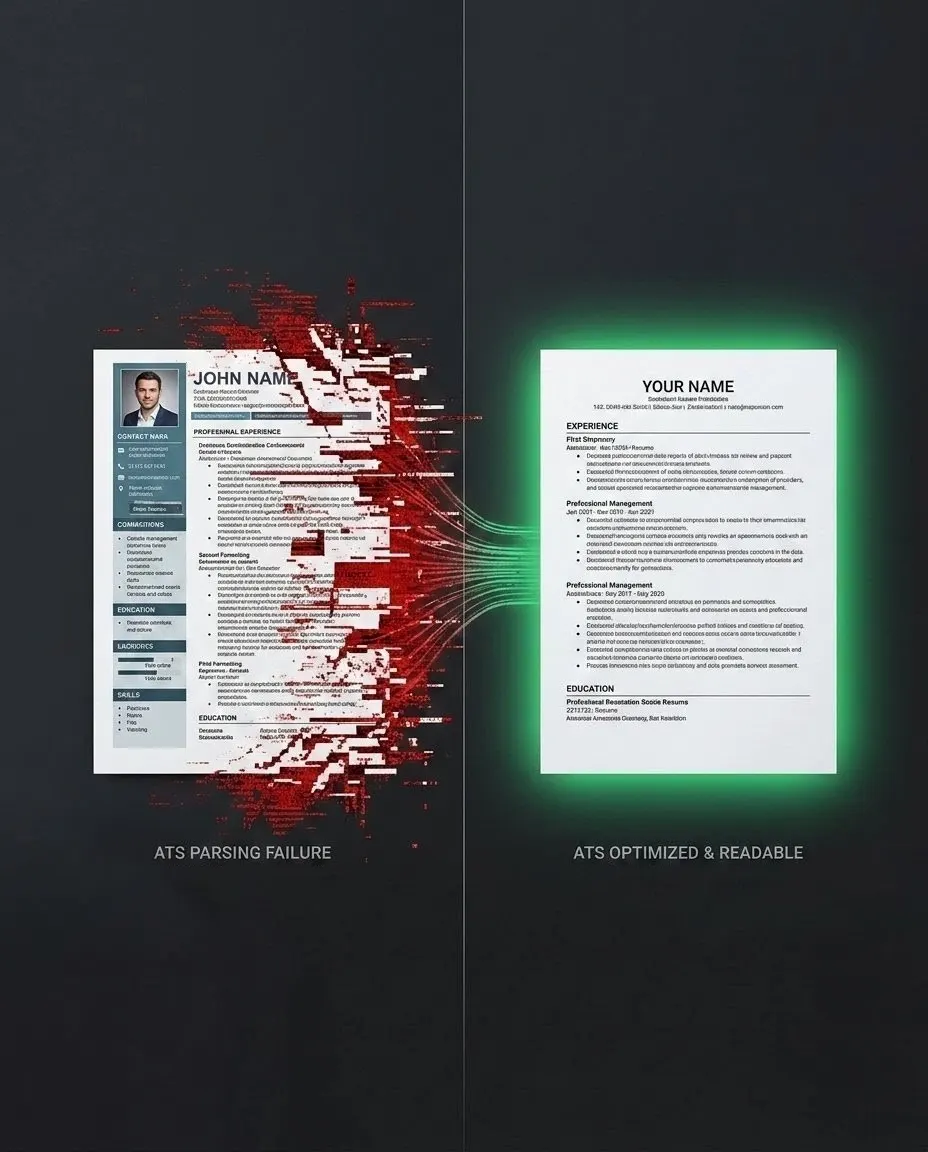
Up to 75% of resumes are rejected by Applicant Tracking Systems (ATS) due to parsing failures from complex formatting like multi-column layouts. To pass modern ATS semantic matching, candidates must use single-column designs and integrate keywords naturally. Additionally, with 28-32% of listings identified as ghost jobs and 88% of recruiters detecting AI-generated text, job seekers must leverage tools like VantageCV to verify job authenticity and maintain a humanized resume voice.
If you're applying to dozens of jobs - hearing nothing back - you're NOT alone.
The 2026 job market is hyper-competitive - but, the most significant barrier standing between you & an interview isn't a human recruiter - it's a machine. 🤖
Research shows:
❗ up to 75% of resumes are rejected by Applicant Tracking Systems (ATS) before a human ever sees them (Resumly, 2025).
To win in today's market:
you MUST understand how these systems work, how they parse your data, and how to optimize your resume without sounding like a robot. ⚠️
The ATS Black Hole: How Machines Read Your Resume
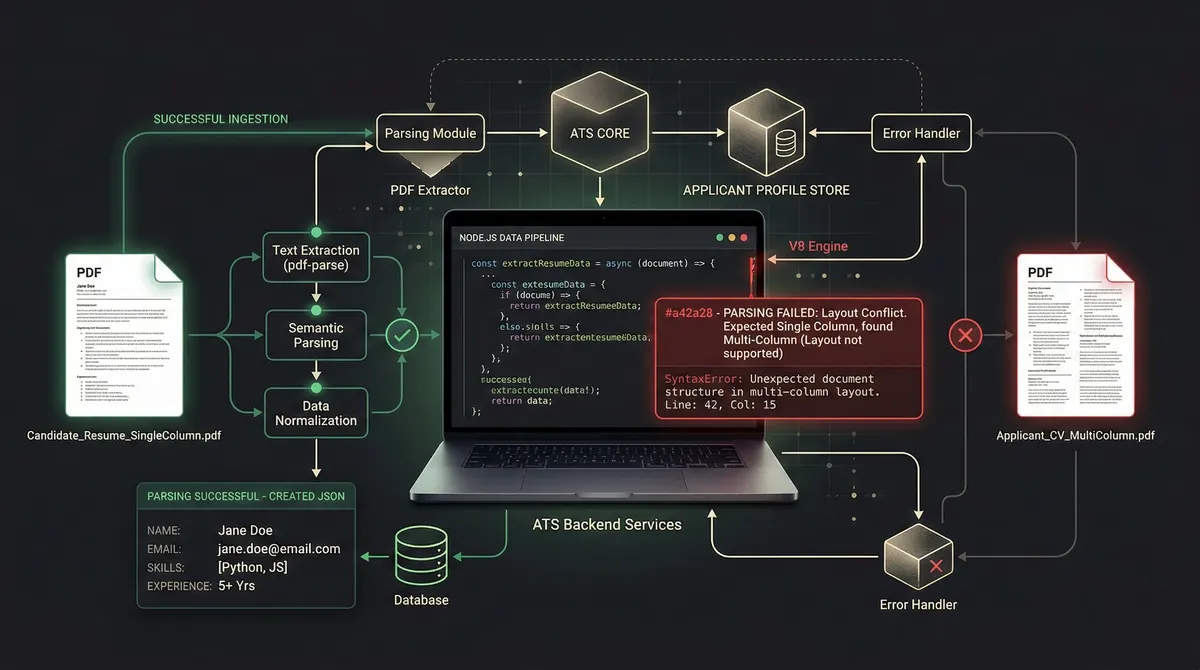
An Applicant Tracking System (ATS) is software used by recruiters to filter, organize, and rank candidates.
When you upload your resume, the ATS does not "read" it - the ATS parses it. 🚨
It extracts your text & attempts to categorize it into standardized fields.
The Formatting Trap
The most common reason highly-qualified candidates are rejected is formatting. ⚠️
Multi-column layouts, graphics, and non-standard fonts cause severe parsing failures.
If the ATS cannot extract your text cleanly, it assumes you lack the required experience - and, filters you out. 🚨
Do: Use a single-column layout, standard fonts (like Helvetica), and 1-inch margins.
Don't:Use text boxes, tables, icons, or complex graphic designs.
The 6-7-second Human Review
Even if your resume passes the ATS, the battle isn't over. 🪖
Once your document reaches a human, the review process is astonishingly-brief.
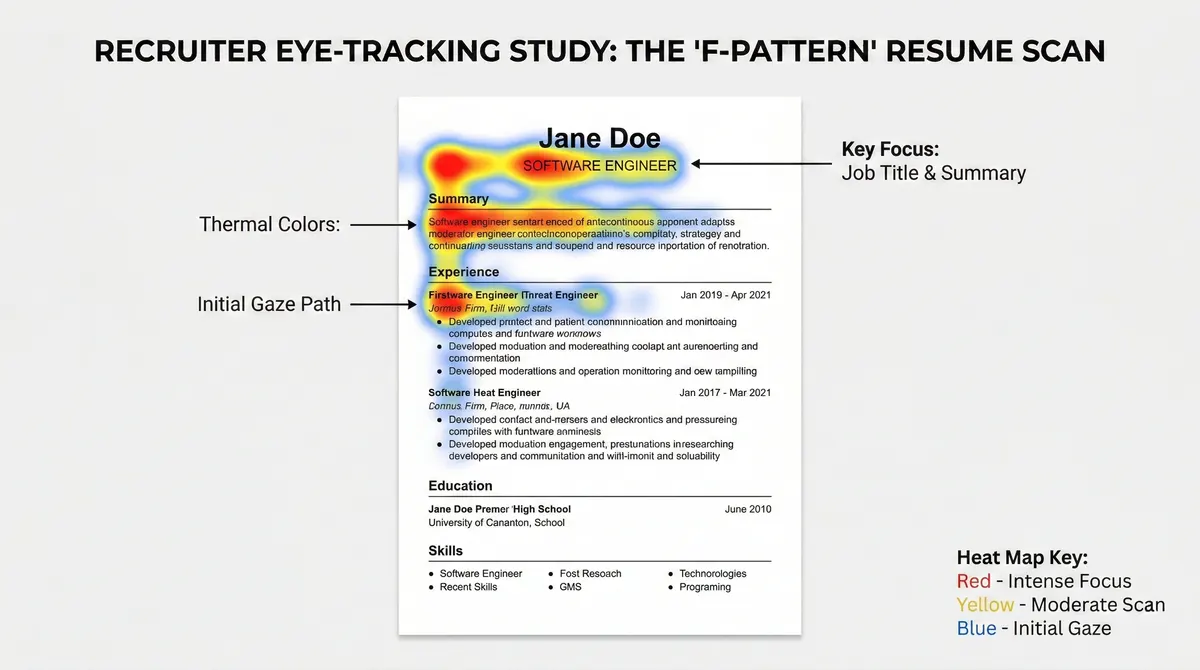
Recent eye-tracking studies reveal:
❗recruiters spend an average of just 6-to-7 seconds on their initial resume scan to make a "fit or no fit" decision (NextCV, 2026).
This means your layout MUST follow the Gestalt principle of simplicity. 👣
If a recruiter has to hunt for your job title, dates of employment, or key achievements, they will simply move on to the next candidate.
The 65-75% Rule: Keyword Alignment
Passing the ATS requires speaking its language. 🦜
The system ranks your resume based on how closely it matches the specific job description.
However, "keyword stuffing" - randomly pasting words at the bottom of your resume - is a dangerous tactic. 💣
Modern ATS algorithms use "semantic matching" to understand context.
You MUST integrate keywords naturally into your bullet points, demonstrating how you used that skill to drive results.👣
Navigating Ghost Jobs & AI Detection
Job seekers today face two unprecedented challenges:
fake listings, and
algorithmic scrutiny.
That is:
The Ghost Job Epidemic: Nearly 1-in-3 U.S. job postings (roughly 28% to 32%) go nowhere, creating a "ghost job" economy where roles never materialize into actual hires (HR Dive, 2025). This means optimizing your time is just as important as optimizing your resume.
AI Detection: As candidates increasingly-use AI to write their resumes, recruiters have adapted. Survey data reveals: 88% of hiring managers say they can tell when candidates use AI to help with applications - and, many view robotic, cliché buzzwords negatively (HiredAi, 2025).
Your resume MUST satisfy the ATS algorithms - and, maintain an authentic, human voice. 📜🦜
Ready to stop getting filtered & start getting noticed?
Run your resume through VantageCV today to
instantly-uncover your ATS Match Score & missing keywords.
Frequently Asked Questions
Related Tools
Related Guides
Related Resources
Is your resume getting past ATS filters?
Upload your resume and a job description to see which keywords you're missing — takes less than 60 seconds.
Read the ATS optimization white paper